Hey everybody,
Simon here!
Today I want to show you my first “FlightReport”.
Here I just want to show you my IF Flights that I made.
I would be very pleased if you shared your thoughts about this with me ;)
That was enough talking, let’s start:
Today we’re flying from East Midlands (EMA) to London Gatwick (LGK).
We’re out and about with an Boeing 737-800 (EI-EVI) from the irish low cost airline Ryanair.
Ready for taxiing!
Right wing view immediately before line-up
Takeoff from runway 27
Bye-Bye East Midlands!
Top of descend reached!
Hello Heathrow! :)
London Gatwick Airport is already visible!
Passengers on the right side could enjoy a beautiful sunset!
EI-EVI coming closer to runway 08R
Touchdown! Pretty smooth but not perfect…
Reverse & Speed Brakes
EI-EVI will now stay at this apron until tomorrow, passengers are deboarding.
Its next flight will be to Dublin just about sunrise.
Do you think I should do more of this?
Also, suggest a Flight I should do , if you want.
Perhaps a little less flare on landing, the 737-800 doesn’t need much flare so just raise the nose a touch. Btw this is one of my common errors, I usually add a bit too much flare on landing in the 737 and have to consciously stop myself from pulling back the yoke when I am on a simulator.
Yeah, I noticed that as well, but immediately before the touchdown I realized I was a little too slow and my altitude decreased faster than it should, so I increased the throttle and flared (probably a bit too much) in order to make it as smooth as possible and it worked out pretty well.
However, I will chose a different aircraft next time. Any suggestions?
Generally I find the larger aircraft a bit more stable and easier to control so I tend to do most of my flights in A380s, and some in the 747 or 77W. However, I sometimes fly the 737 as well.
A good rule I was taught by a Ryanair pilot was one you take manual controls on approach start at 55% N1 and 1 degree nose up. Then make small adjustments on power and pitch from there. You may even find that 55% is bang on until you start to retard the throttles at about 30ft. I haven’t experimented enough in IF to see whether the same rule works on there so I can’t guarantee a good result.
The only reason that they do a firm landing is so that they get positive contact with the ground to decrease the chance of skid and slip on the runway especially in wet or Icy conditions!
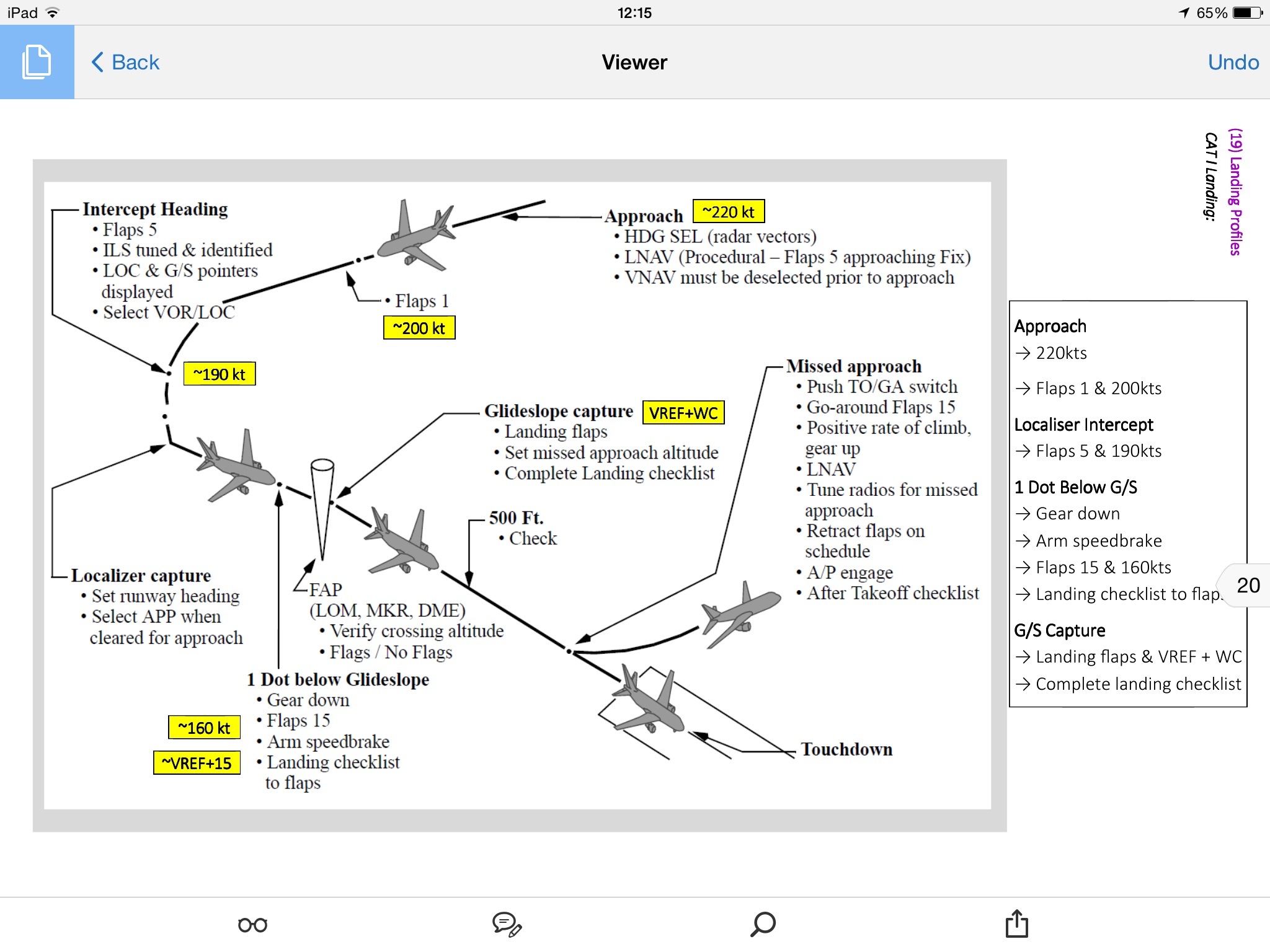
I read somewhere on this forum that Ryanair use a ‘low-drag approach’. Not sure the exact requirements but it involves coming in low, and using little flaps until very close to the runway.
@BavariaAVIATION … Nice work Simon… Appreciate your xtra effort, we all benefit when a professional goes the xtra mile for the “Community”. Brush off the minor criticisms they come with the territory. BZ Max Sends
For a low drag approach the difference is after localiser capture you do no further configuration until 4 nm from touchdown at which point you put the gear down and flaps 15, then landing flaps at around 800ft, and complete the landing checklist. You are basically getting to landing configuration later in the approach and maintain a higher speed to save fuel. You are on the normal glideslope so you don’t come in any lower than normal.